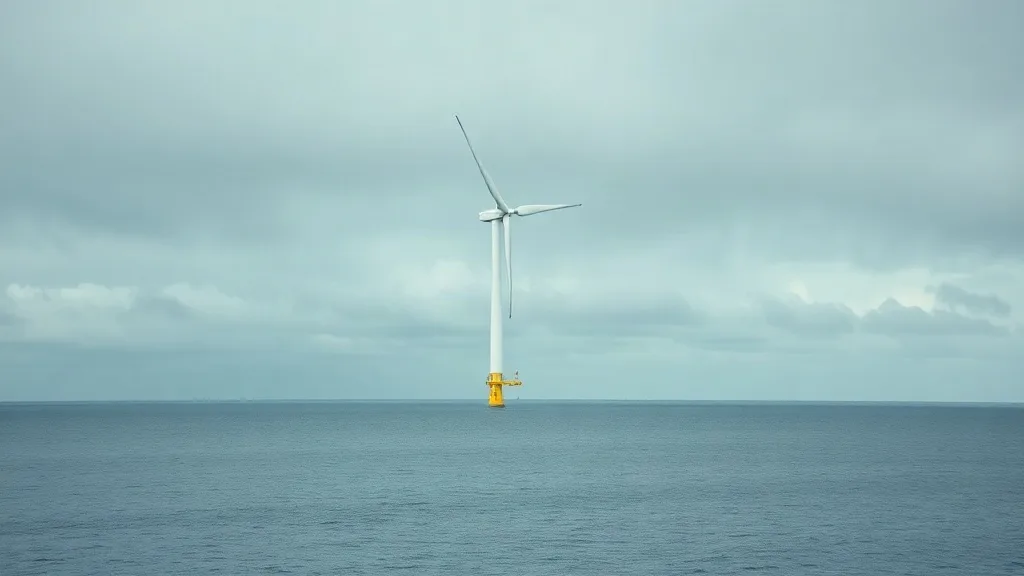
The government is preparing to turn down new offshore wind schemes in Scotland when the electricity they produce cannot be carried away, according to The Times. John Healey, the Chancellor, said a fresh cost control framework for energy would be brought in, and that ministers would be "hard-headed about what we build".
Key points
- Grid first — projects could be refused where connections lag behind.
- Big sums — a record of more than £47m was spent in a single day on surplus wind power, according to the Wasted Wind tracker run by Octopus Energy.
- Household cost — the National Audit Office warned in September that constraint charges could reach £7.8bn a year by 2030.
Paying generators to stop their turbines when the network is overloaded is expected to add about £100 to the typical energy bill by the end of the decade. On the day tracked by Wasted Wind, almost £7m went to wind farm owners to shut down, while over £40m went to gas plants and other sources drafted in to fill the gap.
The National Audit Office said in September that wind farms had been allowed to join the grid ahead of upgrades, many of which have slipped. Adam Bell, a former government energy official now at the consultancy PF Global, told The Times that ministers could decline Scottish offshore wind applications where connections are less far along, and that approvals in the next allocation round could be tied to the timetable for grid work.
The approach follows last week's go-ahead for the Jackdaw gas field off Aberdeen, and Healey backs the Rosebank oil field west of Shetland. Energy Secretary Miatta Fahnbulleh, who still opposes Rosebank, said the move to net zero brought an "affordability challenge" and that the government had to "keep people with us".
What it means in practice
For households, the near-term effect is on bills rather than on what appears in the landscape: the charges for switching turbines off are already folded into what you pay, and they are forecast to grow. For anyone with an interest in a Scottish wind scheme, the risk shifts to planning and grid paperwork, where a connection date may decide whether a project proceeds at all.
- Watch your tariff — constraint costs sit inside standing charges and unit prices, so compare deals when your fix ends.
- Local projects — if a wind farm is proposed near you, expect the connection timetable to matter as much as the planning application.
- No quick fix — grid upgrades take years, so savings from this policy will not show up soon.