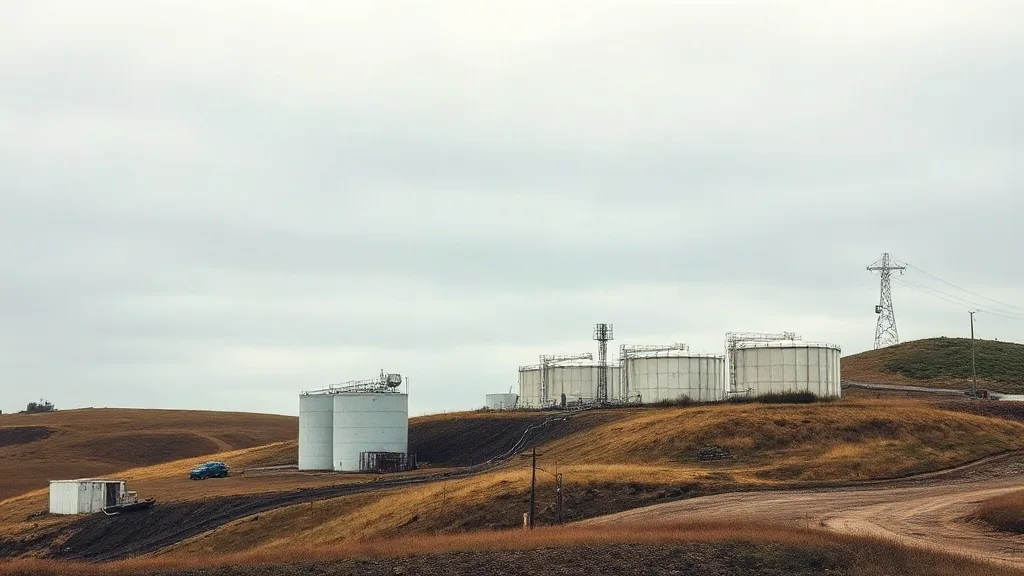
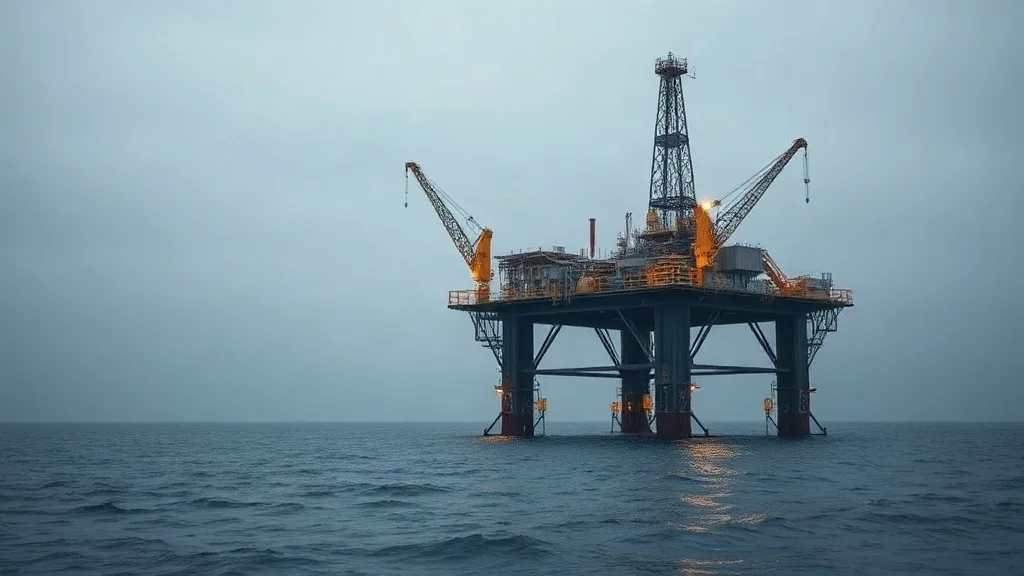
The Energy Secretary, Miatta Fahnbulleh, has agreed that the regulator can grant consent for gas to be produced at the Jackdaw field in the North Sea, according to the government. Gas is expected to reach British homes and businesses from as early as the end of this month.
Key points
- Production — Jackdaw is expected to raise domestic gas output by around 6% at its peak.
- Lifespan — the field could supply gas for up to 11 years and add an estimated £2.9 billion to the UK economy.
- New fund — the Chancellor is setting up an Energy Wealth Fund with an initial £2 billion to invest North Sea tax revenues in renewable and low carbon projects.
- Climate tests — the decision follows the Supreme Court's Finch ruling in 2024, which requires operators to assess the impact of burning extracted fuel.
Fahnbulleh said she had weighed all relevant factors and concluded that the project is compatible with the UK's legally binding climate commitments, including net zero by 2050. She said homegrown gas would strengthen energy security this winter and reduce reliance on imported fuels with higher emissions.
The government said the move is consistent with its manifesto promise not to issue new exploration licences while existing fields are managed through their full lifespan. Jackdaw is already licensed, and the North Sea Transition Authority's consent gives the developer the go-ahead to begin operations.
Ministers pointed to recent instability in the Middle East, which has pushed up global energy prices, as a reason to make more use of domestic reserves. The government also said investment in renewables should weaken the link between gas and electricity prices by the end of this Parliament, so that gas sets the power price less often.
What it means in practice
The extra gas will not arrive in time to change most household bills this winter, and the Energy Wealth Fund is a long-term plan rather than immediate help. What households can watch for is whether the promised separation of gas and electricity prices actually appears in future price caps.
- Bills — no instant relief; any effect on prices depends on wholesale markets and the timing of the price cap.
- Jobs — the government says hundreds of North Sea roles are protected, which matters for communities in Scotland and the north-east of England.
- Climate — existing fields can keep producing, but no new exploration licences are planned, so the shift towards renewables and nuclear continues.