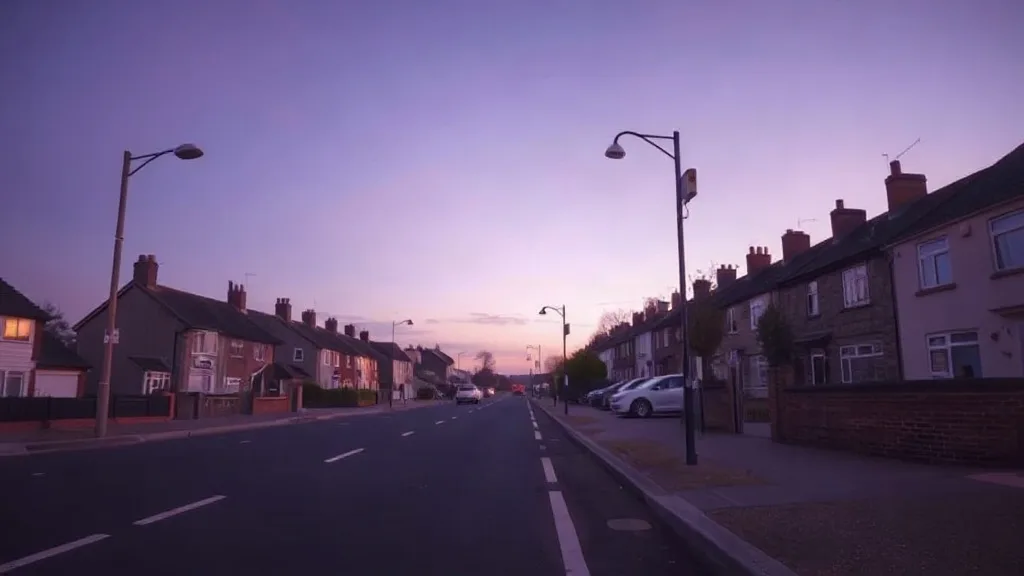
The government has announced fresh funding to bring down the price of charging electric cars at public points on residential streets, according to the Treasury's Budget 2026 documents. From spring 2027, £100 million will be spread over two years to cut charging costs at lower-powered charge points near people's homes — the kind where drivers leave their cars for several hours or overnight.
Key points
- £100 million — funding over two years from spring 2027 for lower-powered public chargers
- Around £150 — average annual saving expected for drivers who rely on these chargers
- A third of the network — share made up by the lower-powered points covered by the plan
- 69% and 94% — rises in average charging prices since 2021 for lower and higher-powered chargers respectively
These chargers account for roughly a third of the current public network, which now has more than 124,000 points. The move follows an independent review into public charging costs, which found prices had climbed sharply since 2021 — up 69% in real terms for lower-powered chargers and 94% for higher-powered ones such as those at motorway services.
Ministers are also pressing ahead with a "tariff porting" taskforce suggested by the review, with industry specialists at the helm, to look into whether cheaper home energy rates could be applied by drivers at selected public charge points. Further information is to be released by the Department for Transport in due course.
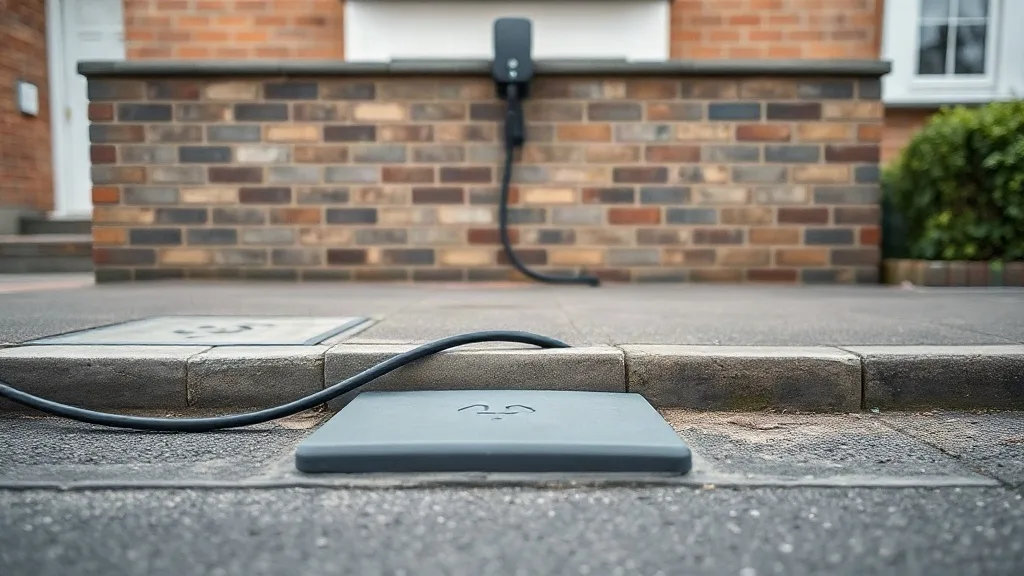
According to ministers, roughly one in three UK households lack a driveway or off-street parking, so they must rely on local public charging. The government also states that planning permission is no longer required for cross-pavement chargers, a change it estimates could cut up to £300 from installation costs for drivers.
On a separate note, the government reports a £7.5 billion investment in the shift to electric vehicles through to 2035. Of this, £2 billion goes via the Electric Car Grant, through which more than 190,000 motorists have received discounts of as much as £3,750 on a new electric car.
What it means in practice
Nothing changes at the plug yet: the money starts flowing in spring 2027, so drivers who charge on the street should not expect lower prices this year or next. The real test will be whether the funding reaches enough of the lamppost and street chargers people actually use overnight.
- Check your local chargers — if you rely on on-street charging, it is worth knowing which points near you are lower-powered, as these are the ones the scheme targets.
- Watch the tariff porting work — if it goes ahead, using a home-style tariff at public chargers could cut bills further, so keep an eye on Department for Transport announcements.
- Cross-pavement charging — households without a driveway can now install a cable channel without planning permission, which may be a cheaper route than public charging.