More than 20 million households across the UK will stop paying standing charges on their gas bills, according to the government's plan to overhaul what ministers call a broken energy market. Chancellor John Healey will also remove green levies from bills and fund them through general taxation, the Daily Business reports.
Key points
- Standing charges — fixed daily fees of £108 a year on average will be removed by 2027 or sooner, with Ofgem asked to deliver the change.
- Unit rates — fixed costs will move onto the unit rate, saving about 60% of households around £45 a year on average.
- Green levies — these will be taken off bills and paid from general taxation.
- Gas and electricity — the government will commit to breaking the link between the two prices in the long term.
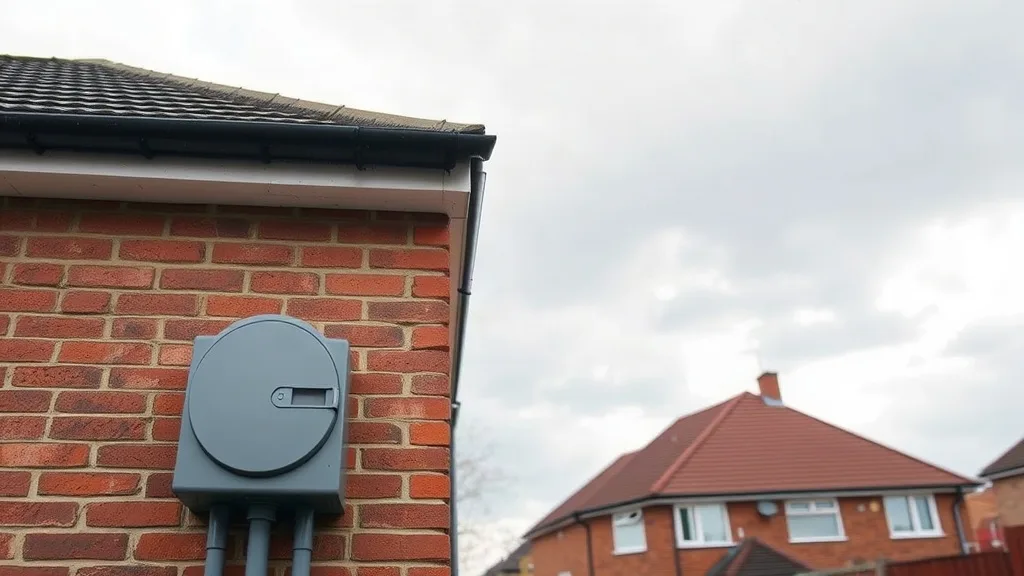
A standing charge is a fixed amount added to a gas bill each day, whether or not any gas is used. Healey said the fees were unfair and outdated, and that scrapping them would give millions of households "a bit of breathing space". He added that his Budget would draw a line under an energy policy that had failed billpayers for years.
The move follows this month's cut in VAT on electricity bills, which is worth just £45 a year. Energy Secretary Miatta Fahnbulleh said too many families faced unfair charges and the change would help people take control of their bills. Greg Jackson, founder and chief executive of Octopus Energy Group, welcomed the plan as joined-up thinking that would deliver lower standing charges and improve the ratio of electricity to gas prices.
The Budget calculations are expected to assume that Rosebank, an oil and gas field west of Shetland, is approved, despite divisions within the cabinet on the proposal.
What it means in practice
The change will not happen immediately: the government has asked Ofgem to remove gas standing charges in 2027 or as soon as possible, so bills in the meantime stay as they are. When it comes, the saving is modest for most people — around £45 a year on average — and the fixed costs will simply move onto the unit rate, so heavy gas users may pay more.
- Check your usage — if you use little gas, the shift to unit rates could benefit you; if you use a lot, your annual cost may rise.
- Watch the timing — no change is due before 2027, so current bills and direct debits remain in place.
- Budget day — the green levy shift and the gas-electricity price link will be set out in the Budget, so keep an eye on what is confirmed rather than announced.