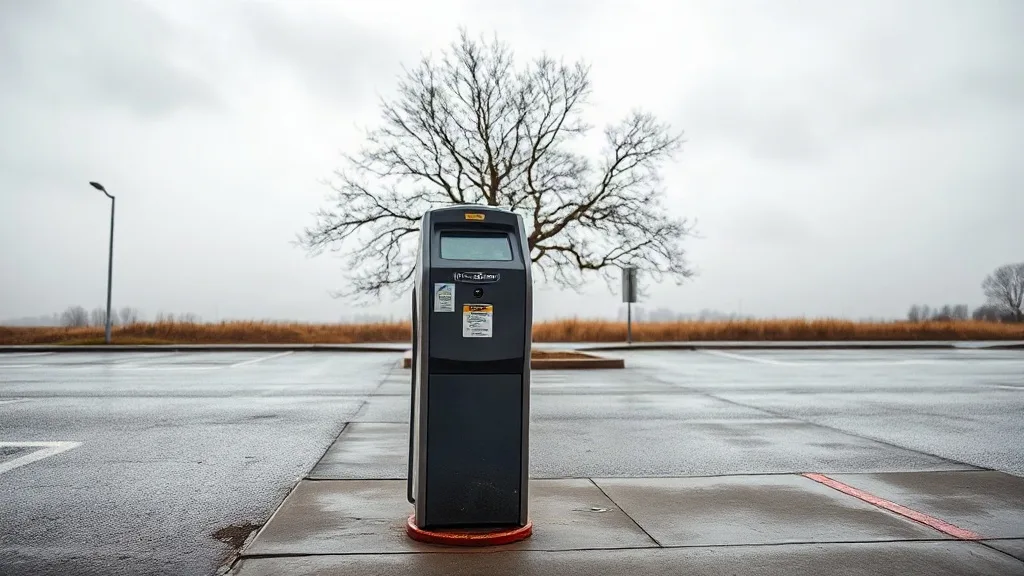
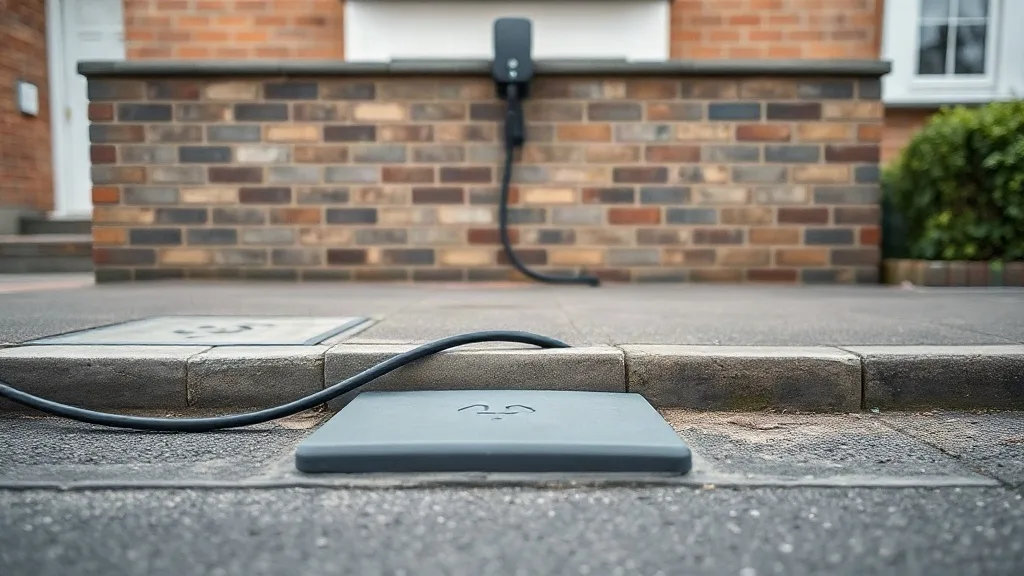
Drivers who park on the street will no longer have to seek planning permission to run a charging cable under the pavement to their car, the government has announced. According to the Department for Transport, the change takes effect from 21 October 2026 and could cut up to £300 from the cost of fitting a cross-pavement charger.
Key points
- Permission dropped — cross-pavement chargers no longer need planning approval.
- Saving of up to £300 — the government says installation will be cheaper and quicker.
- Sales rising — electric car sales were up 36% in September 2026 on the year before.
- Consultations open — two reviews cover building rules and renters' access, with a 16 December 2026 deadline.
The move is aimed at households without off-street parking, who can now plug into domestic electricity tariffs rather than paying public charging rates. The government says this can bring running-cost savings of up to £1,750 and allow charging for as little as 2p per mile.
September 2026 was another record month for electric car sales, with close to 100,000 sold, a rise of 36% in a year. The Electric Car Grant has now helped more than 190,000 drivers take up to £3,750 off the price of a new vehicle.
Buses and Local Transport Minister Simon Lightwood said the change would put "money back in drivers' pockets" and speed up the switch to electric. Vicky Edmonds, chief executive of EVA England, called it "a really welcome and meaningful step towards a fairer transition", noting that her organisation's research found 60% of petrol and diesel drivers without off-street parking would never consider an EV.
Separately, permitted development rights have been relaxed so charge point operators can install larger, higher-powered public charging hubs more quickly. Two consultations are also running until 16 December 2026: one on amending building regulations for charging infrastructure, and one on expanding access for tenants and leaseholders, including possible duties on landlords and freeholders to consider renters' requests.
What it means in practice
If you park on the street and have been put off an electric car by the cost of wiring a charger to your home, this removes one hurdle and one bill. The savings are real, but the practicalities still sit with your council and your landlord.
- Check with your council — installation still needs to be done safely, and local rules on pavement works and cable protection vary.
- Renters should watch the consultations — clearer guidance for landlords could make it harder for requests to be refused.
- Act before 16 December 2026 if you want to have your say on building rules and renters' access.