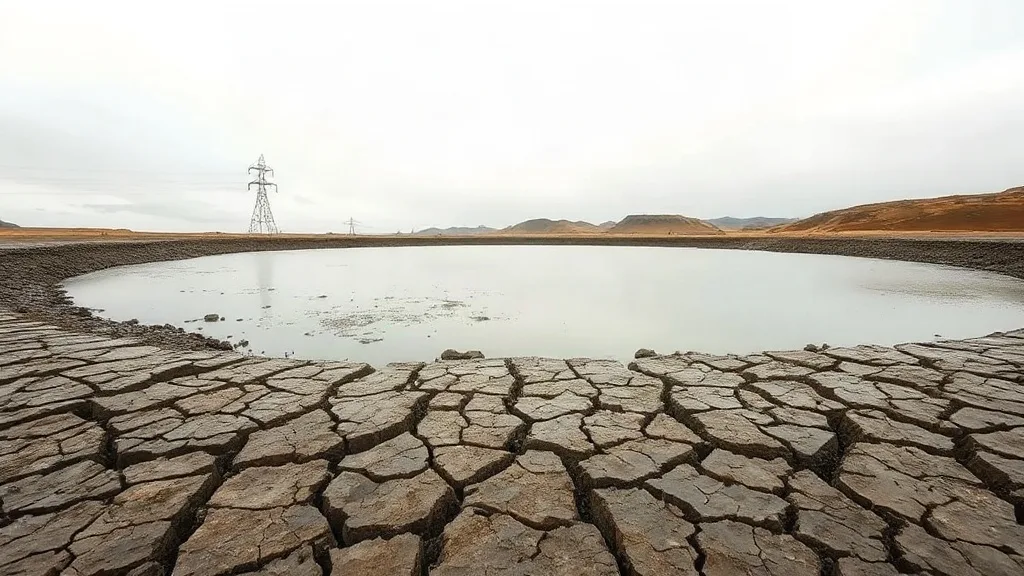
Water company bosses have briefed the National Drought Group on the steps they are taking to keep taps running, according to the Department for Environment, Food and Rural Affairs. The meeting followed last week's declaration of severe drought in parts of England and a government instruction that firms check reservoir and river levels every day.
Key points
- Who met — chief executives of water companies, chaired by Water Minister Emma Hardy
- What firms are doing — less water released into rivers, lower overnight pressure, faster leak repairs and transfers to the weakest reservoirs
- Rainfall needed — the Environment Agency says 120% of average rain over the next six months is required to end the drought by spring
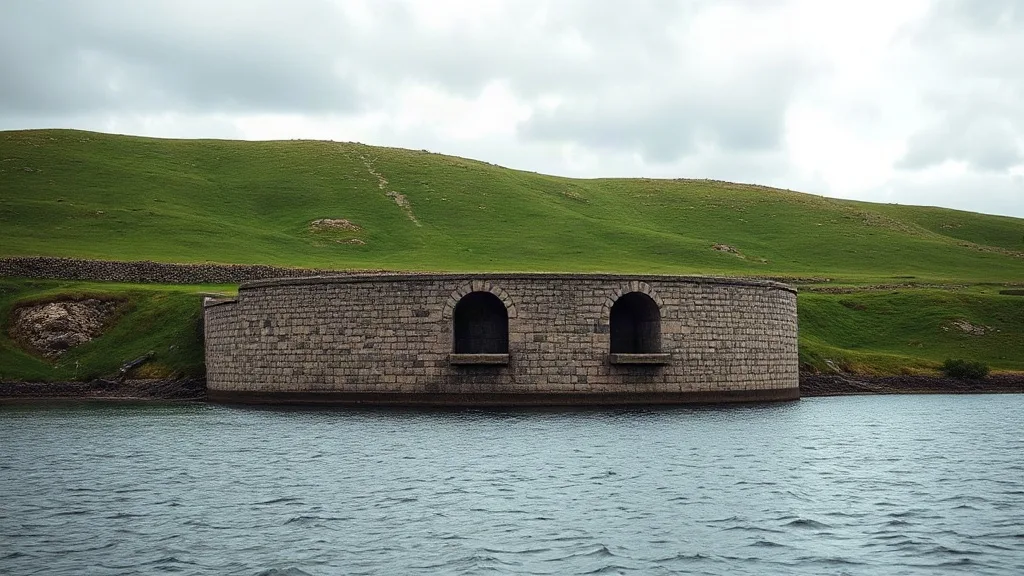
- Permits — South West Water and South East Water have been allowed to cut releases from Wimbleball and Ardingly reservoirs
The companies are releasing less water from reservoirs into local rivers, trimming pressure overnight where it is safe, hunting leaks more quickly and moving water around their networks to help the lowest reservoirs. Temporary pumps are now shifting water near South West Water's Stithians reservoir in Cornwall, and Wessex Water is preparing seven more drought permit applications.
Emma Hardy, who chaired the meeting, said she would keep holding firms to account. She said:
“It's encouraging that these efforts are starting to ease the pressure on public supplies, but water companies must continue to step up their efforts.”She added that household supplies will not be interrupted and urged everyone to think about how they use water in the weeks ahead.
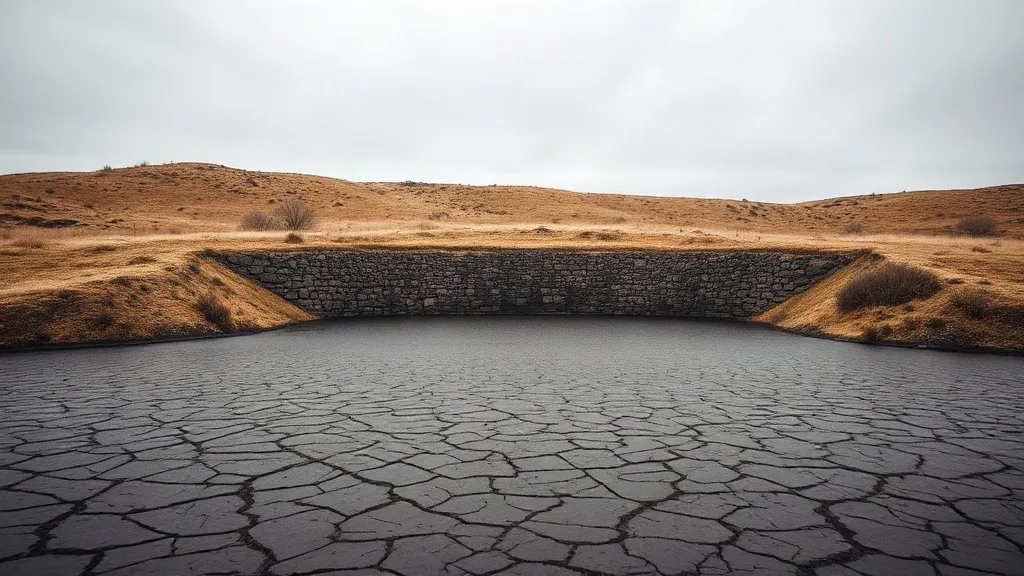
Severe drought was declared in parts of Cornwall, Devon, Dorset, Somerset, East Sussex and West Sussex. The South East and South West have had their driest April to September for more than a century, hitting reservoirs including Ardingly in West Sussex and Wimbleball in Somerset. The Environment Agency's chief executive, Philip Duffy, said:
“The rain is welcome, but the drought is far from over.”Wetter weather is expected later this week, but the agency says 120% of average rainfall over the next six months is needed for the country to be out of drought by the start of spring. Bans on non-essential business use proposed by South East Water, South West Water and Southern Water are with the Environment Secretary, and fish rescue plans are being drawn up in case reservoir levels fall further.
What it means in practice
For most households, nothing changes immediately: taps keep running and there is no hosepipe ban in the areas named. But businesses that rely on water for cleaning, landscaping or manufacturing in the South East and South West should watch for news on the non-essential use bans now under consideration, because those restrictions could affect how they operate.
- Save where you can — shorter showers, full washing loads and fixing dripping taps all ease pressure on reservoirs that are still well below normal.
- Watch for local updates — firms in the affected counties should check with their water supplier before autumn work that uses large volumes.
- Don't expect a quick fix — the agency says months of above-average rain are needed, so sensible habits are worth keeping into next year.