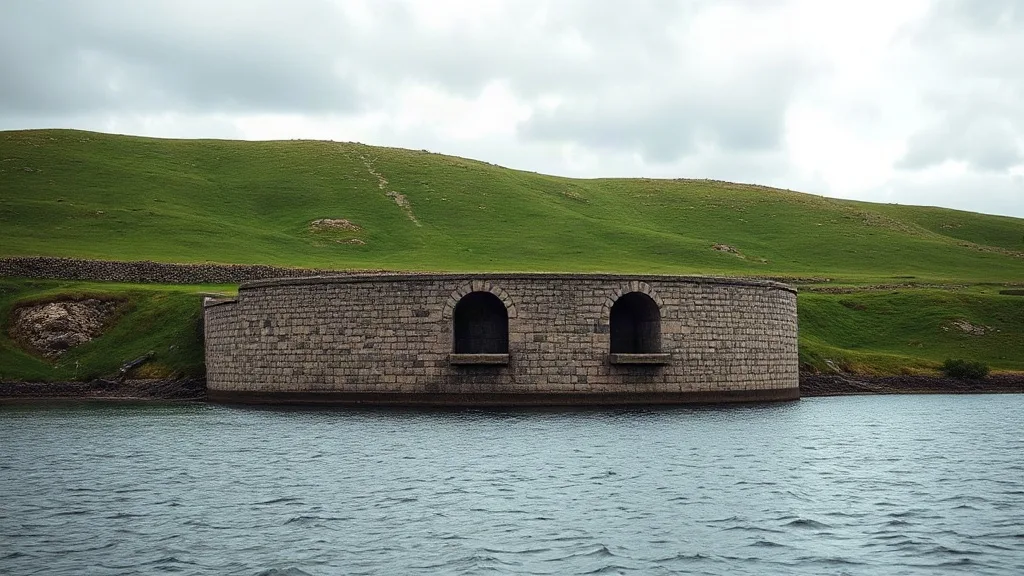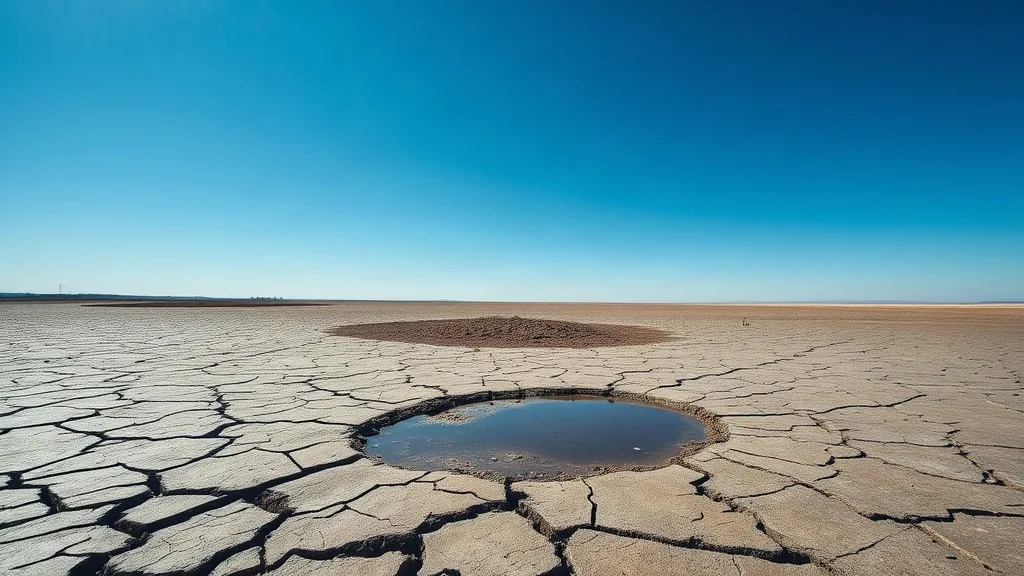
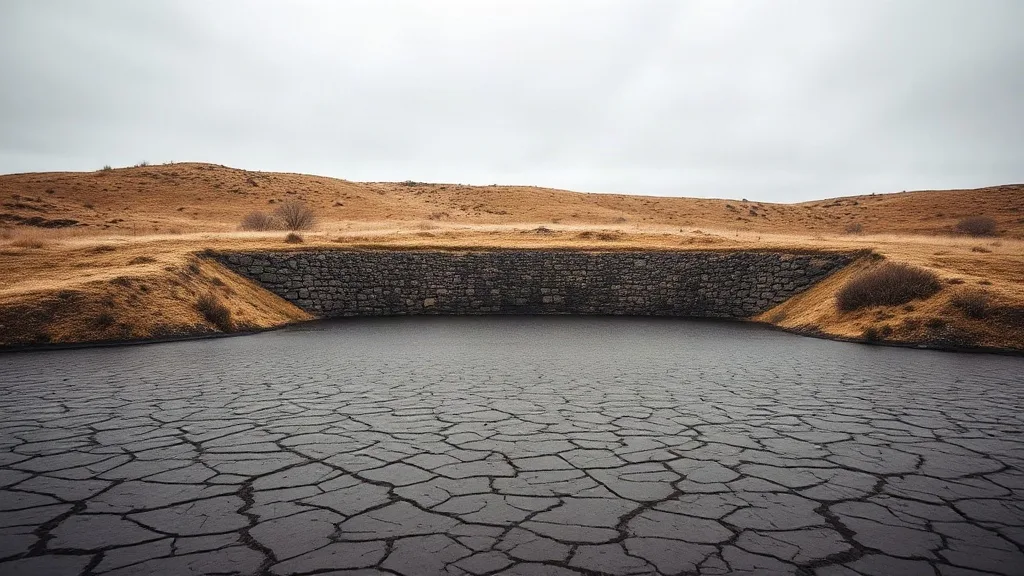
Severe drought has been formally declared in parts of Cornwall, Devon, Dorset, Somerset, East Sussex and West Sussex, according to the Government. The announcement means water companies in those areas must now carry out daily checks on reservoir and river levels, while the Environment Agency will step up inspections of businesses that take water from natural sources.
Key points
- Areas affected — parts of Cornwall, Devon, Dorset, Somerset, East Sussex and West Sussex.
- Why now — the South East and South West have had their driest April to September in over a century.
- What changes — daily reservoir and river monitoring, tougher water quality checks, and more compliance visits to water-abstracting businesses.
- Public supplies — household water is not being cut off, and local resilience forums have been stood up in case support is needed.
Ministers have asked the Environment Agency to put public water supplies first in the affected regions. That means water companies may be allowed to keep more water in depleted reservoirs, even where this conflicts with normal environmental rules.
The Environment Secretary, Dame Angela Eagle, said the country had not seen drought on this scale for decades and urged households to think about their water use in the coming weeks. She also pointed to the strengthened Water Bill and a plan for nine new major reservoirs.
Philip Duffy, chief executive of the Environment Agency, said record summer heat has placed huge pressure on water resources. He said recovery depends on rainfall and on how much water people use, and called on companies to follow their drought plans while asking the public to cut back.
The move follows a meeting of the National Drought Group, which brings together the Met Office, regulators, water companies, the National Farmers' Union, the Canal & River Trust, anglers, hydrologists and conservation experts.
What it means in practice
For most households in the affected counties, taps will keep running and there is no immediate ban on use. The change is mainly about how water is managed behind the scenes, but it does signal that supplies are under real strain.
- Watch for local advice — your water company may issue its own restrictions or guidance as conditions develop.
- Cut back where you can — shorter showers, full washing loads and fixing leaks all ease pressure on rivers and reservoirs.
- Businesses that abstract water — expect more checks from the Environment Agency on how much you take and whether it is permitted.