A new Flood and Drought Resilience Taskforce will hold its first meeting on Wednesday 14 October 2026, bringing together government, agencies and industry to improve how Britain plans for and responds to extreme weather, according to the Department for Environment, Food and Rural Affairs.
Key points
- First meeting — the taskforce gathers on 14 October 2026 with representatives from over 50 organisations.
- Who attends — the Environment Agency, Met Office, mayoral authorities, fire and rescue services, and farming, water and insurance industries.
- Money committed — at least £10.5 billion for flood defences between 2024 and 2036, with £1.4 billion in 2026/27.
- Focus — winter flood readiness and lessons from the ongoing drought.
The group will include Floods and Drought Minister Emma Hardy alongside bodies such as the Environment Agency, the Met Office, mayoral authorities, fire and rescue services, and representatives of farming, water and insurance. Community groups affected by flooding and drought will also be brought in so that their experiences shape policy.
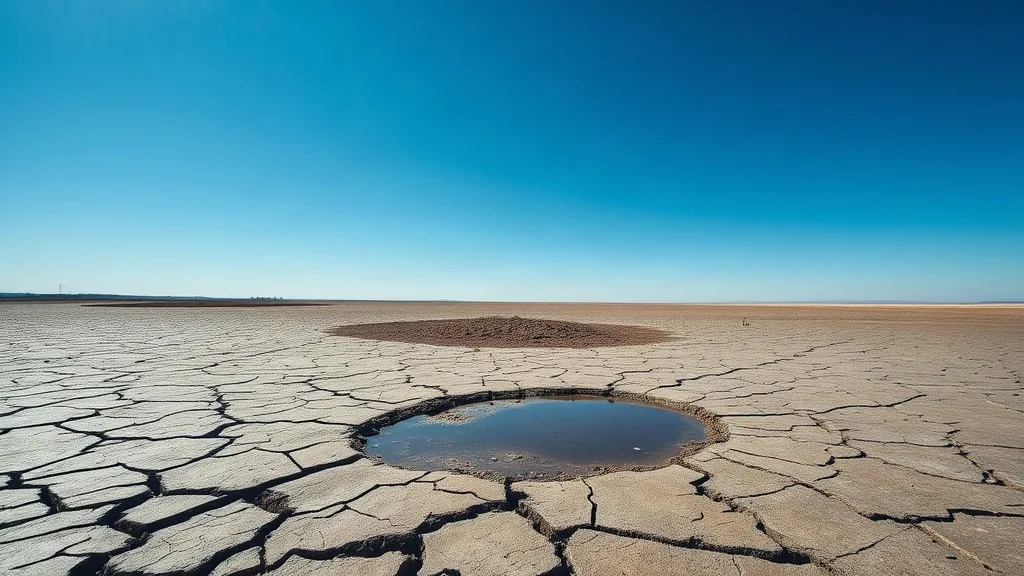
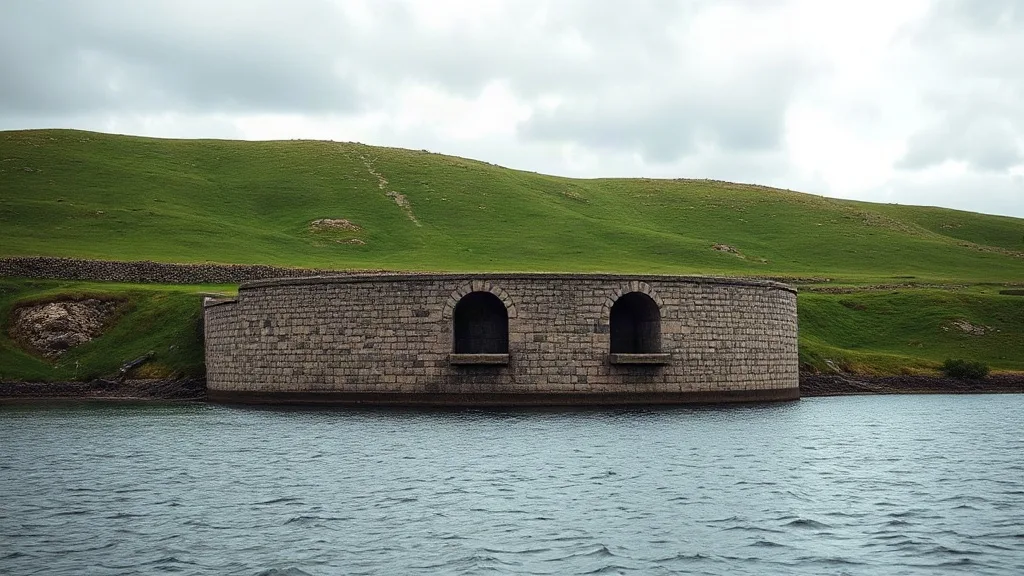
This year has seen a wet winter, a long hot summer, the third drought in five years and the driest July in almost two centuries, with a wetter winter expected. The government says it has already acted on drought by pushing water companies to cut leaks, giving farmers £65 million to build resilience, and making it easier to build on-site reservoirs.
The taskforce will look at how prepared the country is for possible flooding this winter and what can be learned from the drought. It will work alongside the National Drought Group, which continues to coordinate the operational response to drought.
What it means in practice
The taskforce is mostly about coordination behind the scenes, so most people will not see immediate changes. But it matters if you live in an area at risk of flooding or if your water supply is under strain, because decisions on defences, leak repairs and reservoir rules affect homes, bills and insurance over time.
- Check your flood risk — if you live near a river or coast, look up your area's flood risk and know what to do if warnings come.
- Watch water restrictions — drought conditions can lead to hosepipe bans or other limits, so keep an eye on your water company's advice.
- Insurance — if you are in a flood-prone area, make sure your cover is up to date before winter.