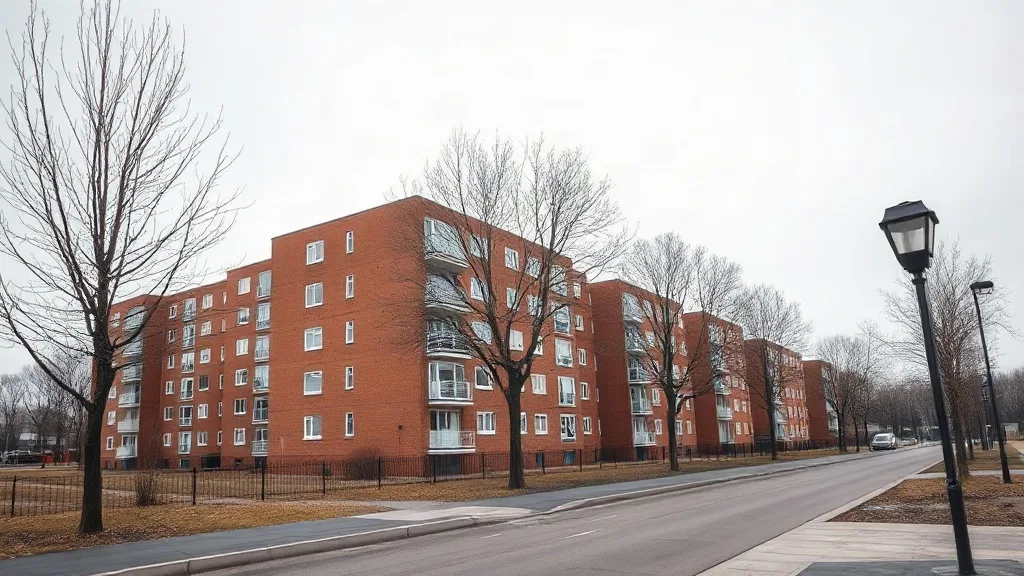
Residents of the Scovell Estate in Bermondsey have been without heating and hot water for close to a month, according to the Local Democracy Reporting Service. The outage began around 18 September and has been traced to a leak in underground heating pipework.
Among those affected are elderly people, pregnant women and residents with disabilities. Some have been boiling water in kettles to wash, showering at work or at the homes of friends and family, or travelling to The Castle Leisure Centre in Elephant and Castle to use its public showers.
Key points
- Cause — a leak in underground heating pipework on the estate.
- Homes affected — work on the remaining 42 properties was expected to finish by the end of 14 October, depending on unforeseen issues.
- Extra costs — residents say boiling water and using oil heaters has pushed up electricity bills.
- Compensation — the council says it will give residents information about compensation once repairs are done.
Cllr Reginald Popoola, Southwark Council's Executive Member for Council Homes, said heating and hot water had returned for most of the estate. He apologised for the disruption and the significant inconvenience it caused, and said the council would keep supporting affected residents and update them on progress.
Zara Rowley, who was heavily pregnant and has since given birth, told the LDRS she had been afraid to bring her newborn home in case the baby fell ill without hot water and heating. She said she was glad to be having the baby in Southend-on-Sea, where her parents live, but was now scared to come back. A mother of three, she added that she was not prepared to take her children to the swimming baths in Elephant and Castle in dirty clothes.
Tony Christofi, who has a heart problem, rheumatoid arthritis and trapped nerves in his spine, said washing at the leisure centre would be impossible for him. He said he gets breathless walking from his living room to the door, cannot manage the trip in cold weather, and does not want to pay for taxis or shower alongside other people.
The LDRS understands the council is fitting hot water cylinders and immersion heaters in the homes of residents who need them. Nely Gonzalez said she does not believe this will fix the problem permanently and has refused the installation in her home, pointing to electrical cabling running from the fuse box downstairs to a cylinder upstairs. She wants the existing system restored rather than what she called an intrusive temporary solution that shifts inconvenience and possible extra cost on to residents.
Residents also complained of poor communication. Trina Jackson, a mother of two with health problems, said the uncertainty has worsened her anxiety. She said she had received none of the text messages or door visits the council says it sent, that updates have been vague with no clear resolution date, and that her sons have been washing at relatives' homes while her husband uses gym facilities. Heating water by hand, she said, is making her children late for school and her late for work.
What it means in practice
If you live in social housing and your heating or hot water fails for more than a short spell, you do not have to wait quietly. The council is your landlord here, and repairs are its responsibility. Keep a written record of every call, email and visit, and put your complaint in writing so there is a paper trail if you later ask for compensation.
- Ask for the repair date in writing — a clear deadline makes it easier to escalate the case.
- Keep receipts — extra electricity, launderette and travel costs can support a compensation claim.
- Push back on temporary kit — you can ask how an immersion heater or cylinder will be removed once the main system is fixed.