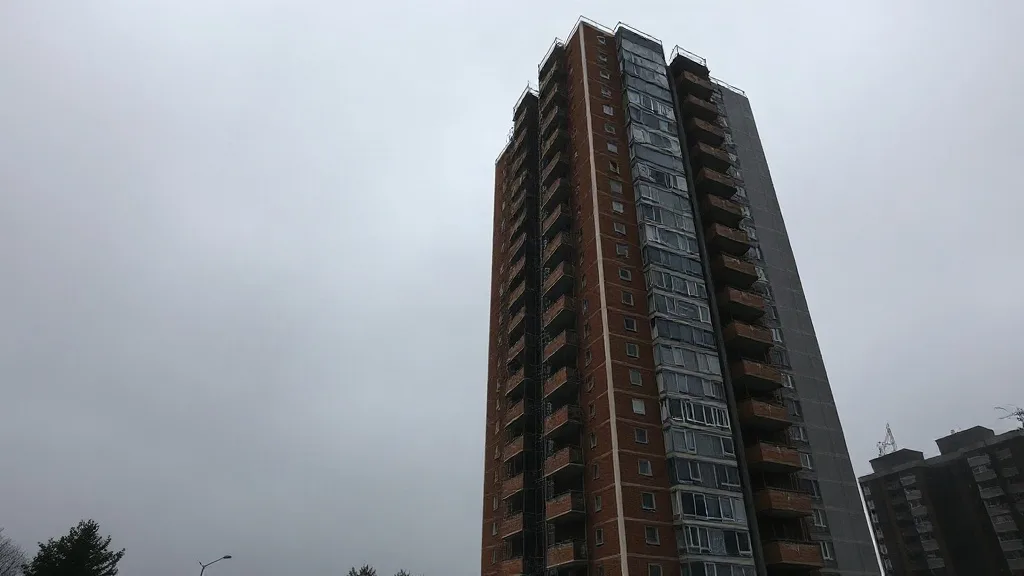
The government has introduced the Remediation of Unsafe Cladding Bill to Parliament, according to the Department for Levelling Up, Housing and Communities. The legislation is designed to speed up the removal of dangerous cladding from buildings across England and to give residents a clearer route to getting their homes made safe.
Key points
- New legal duty — freeholders and others responsible for buildings must identify, assess and fix safety issues without delay.
- Fines of up to £500,000 — the First-tier Tribunal can impose financial penalties on those who fail to comply with a Remediation Order.
- Register of medium-rise buildings — a new list will be created to ensure no building is overlooked, with penalties for failing to register.
- Backstop powers — Homes England or local authorities can step in and carry out work if owners repeatedly fail to act.
Building Safety Minister Baroness Blake said the bill marks a milestone in efforts to put things right.
It's unacceptable that so many people have been left living in homes with dangerous cladding, anxiously waiting for those responsible to take action.
Under the plans, anyone who obstructs remediation work could face criminal penalties. The bill also introduces a requirement for fire risk appraisals of external walls to follow a consistent approach, so buildings are judged on the same basis. Where an assessment recommends remedial work, owners will have to share a plan with residents setting out the steps and timescales involved.
Developers and contractors who have already paid to make buildings safe will get a simpler route to pursue cladding manufacturers to recover costs. The government says the measures will accelerate remediation for around 12,000 residents, including about 3,000 whose buildings may never have been fixed otherwise. More than £5 billion has already been committed to the work.
What it means in practice
For leaseholders and residents in affected buildings, the bill is intended to remove some of the obstacles that have left them waiting for years. The new duties and penalties are meant to make it harder for owners to delay, while the register and backstop powers offer alternative routes if they do.
- Check your building's status — if you live in a medium-rise block, it should appear on the new register once it is up and running.
- Look out for a remediation plan — your building's responsible entity will have to share one with residents if work is recommended.
- Keep paying your mortgage and service charge — the bill does not change your existing obligations, but it may make it easier to get problems fixed.