Birmingham City Council has picked up a sustainable cities award from BREEAM, the BBC reports. The prize recognises city governments around the world that are helping to deliver greener buildings.
Key points
- Who won — Birmingham City Council took the sustainable cities award from BREEAM.
- Why — its planning policies require new buildings to be energy efficient and low in emissions.
- What was highlighted — a large number of BREEAM-rated buildings in the city, including the Library of Birmingham, the BBC Tea Factory and the Paradise development.
The council's submission pointed to the number of BREEAM Outstanding and Excellent-rated buildings already completed in Birmingham. Among them are major schemes such as the Library of Birmingham, the BBC Tea Factory and the Paradise development.
Cllr Julien Pritchard, deputy leader of the council, called the result "fantastic news" and said it showed the strength of work taking place across the city. He described ambitious sustainable planning policies as a bold but correct step, adding that the council must keep delivering energy-efficient, high-quality developments.
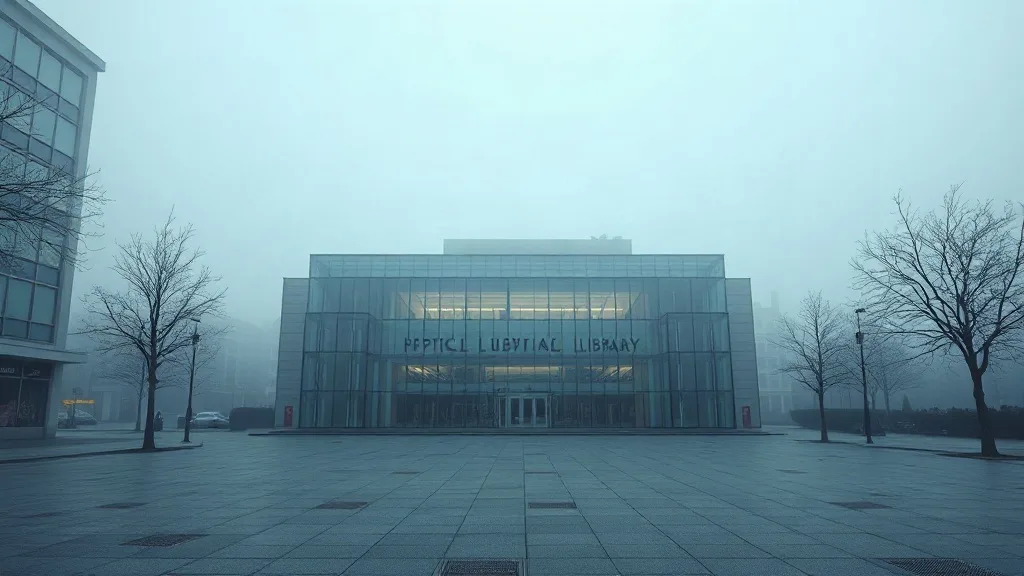
The award also noted the council's efforts to raise energy standards in public buildings. The Library of Birmingham holds a BREEAM Excellent rating and has focused on running efficiently, which helps protect nationally important archive collections, including Shakespeare's First Folio. Government surveyors have recently named the building, now 13 years old, as a UK exemplar for energy use among public buildings. Judges also credited the council with working closely with developers to back quality construction.
What it means in practice
For people in Birmingham, the award does not change any rules or bills by itself, but it confirms that the city's planning policies favour energy-efficient designs. That matters most if you are buying, renting or building a home, or running a business that needs new premises.
- New buildings — expect more emphasis on insulation, low emissions and running costs.
- Public buildings — energy standards in council-run sites are likely to stay a priority.
- Developers — working with the council early on sustainability is likely to smooth the planning process.