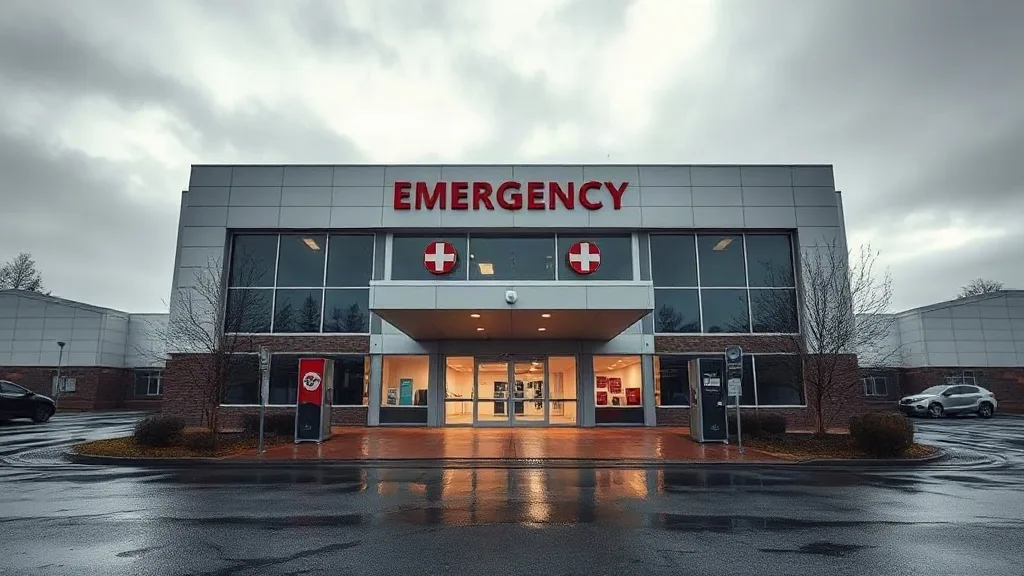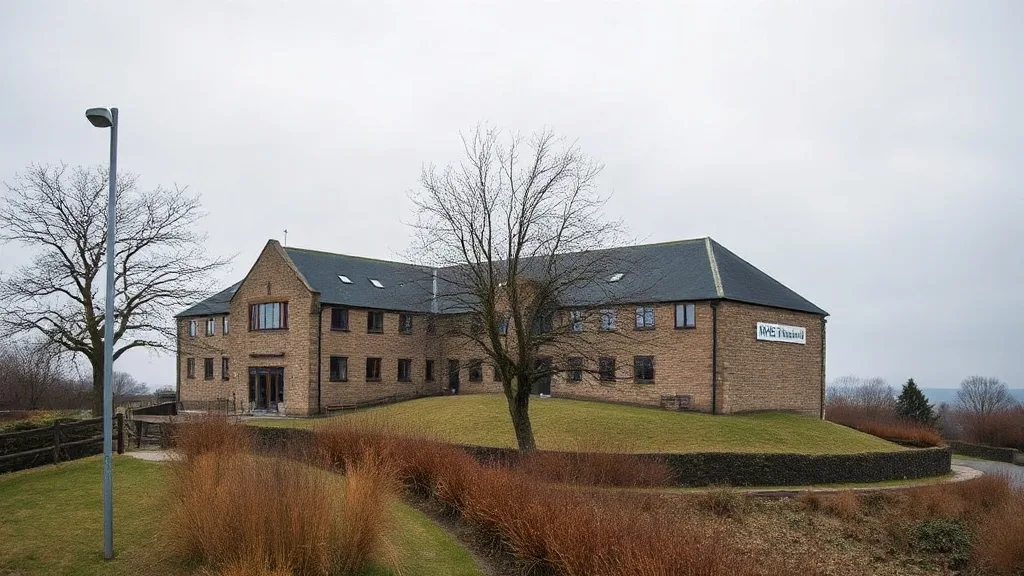

Babies in Wales are set to be screened for a wider range of rare illnesses after the Welsh Government confirmed a £1.21m investment in a new biochemistry laboratory, the BBC reports. The facility at University Hospital Wales will house the All-Wales Newborn Bloodspot Screening Service, which at present has too little room to add further tests. A further £529,000 has been agreed to extend screening to Hereditary Tyrosinemia Type 1.
Key points
- New lab — a £1.21m biochemistry facility at University Hospital Wales.
- Extra funding — £529,000 to add testing for Hereditary Tyrosinemia Type 1.
- Current programme — about 28,000 babies a year are checked for nine conditions.
- Future tests — the UK National Screening Committee is weighing Spinal Muscular Atrophy and Severe Combined Immune Deficiency.
At the moment every baby born in Wales — roughly 28,000 annually — is offered a heel-prick test for nine serious but rare conditions, among them cystic fibrosis and congenital hypothyroidism. The blood sample is normally taken by a midwife between the fourth and sixth day of life as part of standard postnatal care. Early detection lets treatment begin sooner, which can improve a child's health and in some cases avert severe disability or death.
The expanded laboratory will give the service room to bring in Hereditary Tyrosinemia Type 1 testing, as advised by the UK National Screening Committee, and to take on further tests as they are recommended. The committee is currently gathering evidence on whether Spinal Muscular Atrophy and Severe Combined Immune Deficiency should join newborn screening programmes across the UK.
Nerys Evans, Deputy Minister for Public and Preventative Health, said the laboratory would "modernise and futureproof" screening infrastructure in Wales, adding: "We know that screening saves lives." Dr Sikha de Souza, a public health consultant at Public Health Wales, said the facility was a welcome addition and that spotting conditions soon after birth allows early treatment that can prevent lifelong complications.
What it means in practice
For parents in Wales, the heel-prick test itself stays the same: a midwife takes a small blood sample at home or in hospital during the baby's first week. What changes is the number of conditions that sample can be checked for, so families may hear about rarer illnesses sooner and start treatment earlier. Nothing needs to be arranged in advance, but it is worth asking your midwife which conditions are covered and keeping the results with your child's other health records.
- No extra appointments — the new tests use the same sample already taken after birth.
- Ask about results — check with your midwife or health visitor if you are unsure what your baby was screened for.
- Watch for updates — decisions on further conditions are expected as the UK committee finishes its reviews.